Blog

Fifteen Fueled Team Members Contribute to WordPress 6.9

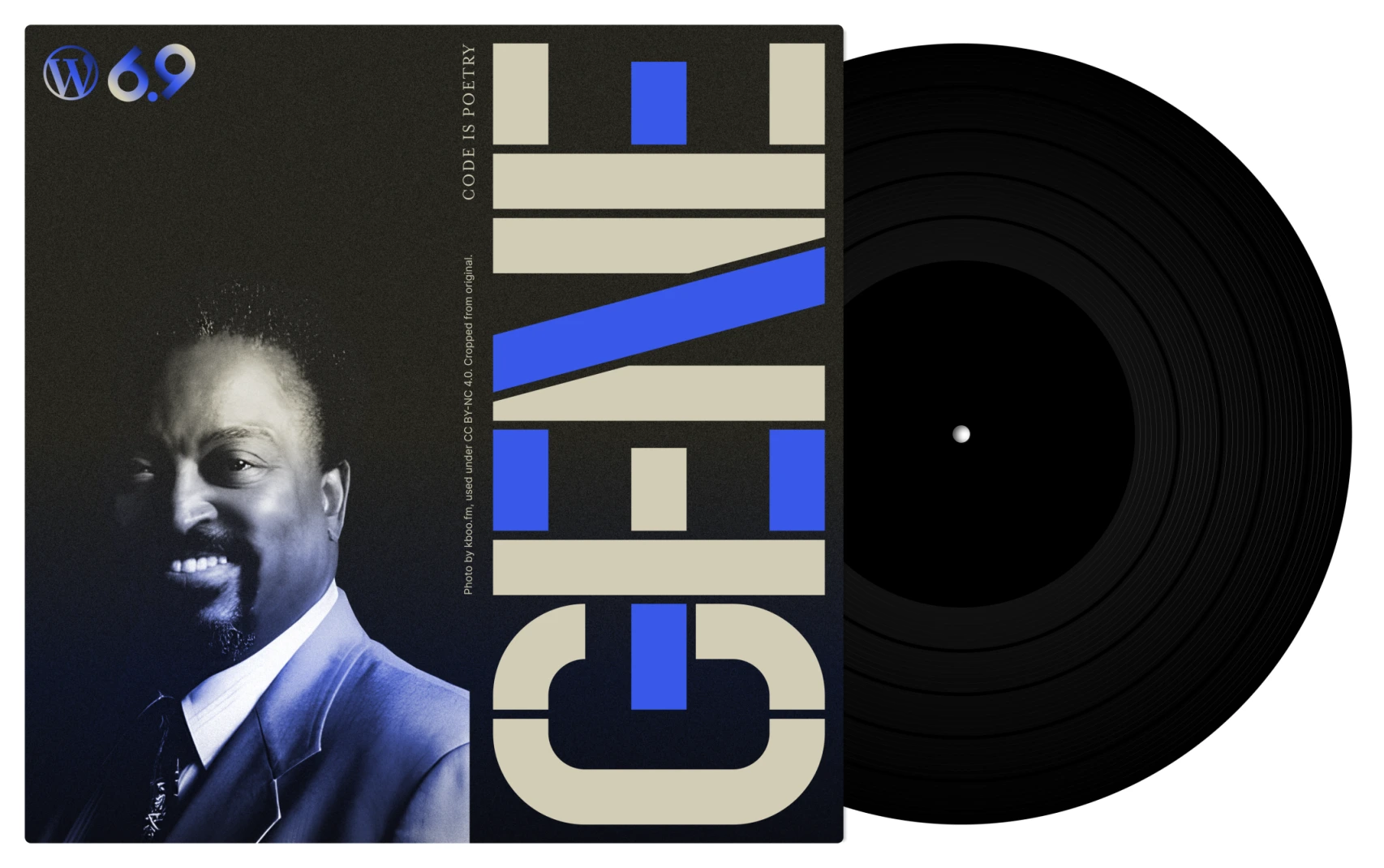
A record with Gene on the cover, signifying WordPress 6.9's namesake.

WordPress 6.9 is here, and with it come features that set the stage for the future of content collaboration and AI-assisted workflows inside the world’s most popular CMS.

We’re proud to share that 15 Fueled team members are credited with contributions to the 6.9 release, with 4 recognized as Noteworthy Contributors: myself (VP of Open Source Initiatives), Director of Editorial Engineering Fabian Kaegy, Lead Engineer Peter Wilson, and Senior Engineer Mukesh Panchal. Our 10up WordPress Practice continues to shape the features that matter most to modern content teams and organizations.

A Focus on Collaboration Begins: “Notes”

The most impactful new user-facing feature in WordPress 6.9, especially for teams collaborating on content operations, is Notes: a commenting system for the WordPress editor. Fueled led the project management and contributed to the engineering work on this feature.

Notes brings native, in-context communication to the content editing experience. Editors and stakeholders can now leave comments directly within the editor, enabling asynchronous feedback and approvals without leaving the CMS or relying on disconnected tools.

Read the full blog post on the Fueled blog. 10up is now the WordPress Practice of Fueled.

From the Fueled Blog: Contributing Over 140 Accessibility Improvements to WooCommerce Core

An accessibility symbol glows in hues of purple and pink in a dark web browser.

As part of a larger effort to improve the accessibility of WooCommerce, the flagship open source eCommerce solution for WordPress, Fueled helped deliver over 140 accessibility improvements, impacting the 7 million+ websites that WooCommerce powers. This achievement comes after a year-long initiative in partnership with WooCommerce and Equalize Digital, bringing WooCommerce Core into compliance ahead of new regulations like the European Accessibility Act (EAA). The result is a more inclusive shopping experience and a WooCommerce Core that meets modern accessibility standards.

Ahead of the EAA deadline in June 2025, WooCommerce engaged us to spearhead the remediation of a WCAG 2.2 compliance audit, working hand-in-hand with WooCommerce’s core development team to implement fixes across virtually every part of the plugin. Over a year, contributions from WooCommerce, Equalize Digital, and Fueled’s WordPress specialists were coordinated to methodically resolve issues in both the classic and block-based interfaces.

To learn more about the key improvements we made to WooCommerce accessibility, read the full post at the Fueled blog.

From the Fueled Blog: How We Sped Up WordPress and the Open Web

WordPress powers over 40% of websites. When its core gets faster, the larger internet benefits. That’s the ambition behind the WordPress Performance Team: a cross-company initiative focused on improving speed, efficiency, and thus user experience across all WordPress sites.

At Fueled, our 10up WordPress Practice has been part of this effort from the start, helping institute improvements that are now baked into WordPress core. From how scripts and images are handled to how WordPress loads configuration data, our work has made the platform faster out of the box, and made millions of websites deliver better digital experiences.

Read the full blog post on the Fueled blog, or skip ahead to my more technical deep dive into the changes on LinkedIn.

WordPress Launches AI Team Chaired by Google, Automattic, and Fueled’s 10up Practice Leaders

This post has been cross-posted on the Fueled website.

I’m excited to share that I’ve joined the newly formed WordPress AI Team, working alongside Felix Arntz and Pascal Birchler from Google, and James LePage from Automattic. Together, as the launch team, we aim to shape how artificial intelligence is integrated into the WordPress ecosystem—not just abstractly, but through practical tools and features that help WordPress evolve and remain competitive.

My participation follows more than 6 years of investment into open source AI integrations for WordPress at Fueled (in case you missed it, 10up is now the WordPress practice of Fueled), in addition to a decade of varied contributions to WordPress. As the Director of our Open Source Practice, I’ve collaborated with engineering to advance our open source Artificial Intelligence plugin for WordPress, ClassifAI, and project managed client engagements using it as the foundation for custom AI integrations. I’m honored to bring that experience into this next chapter for WordPress.

Read the full story on the Fueled blog

Bringing AI to the Publisher Behind Rolling Stone and Variety

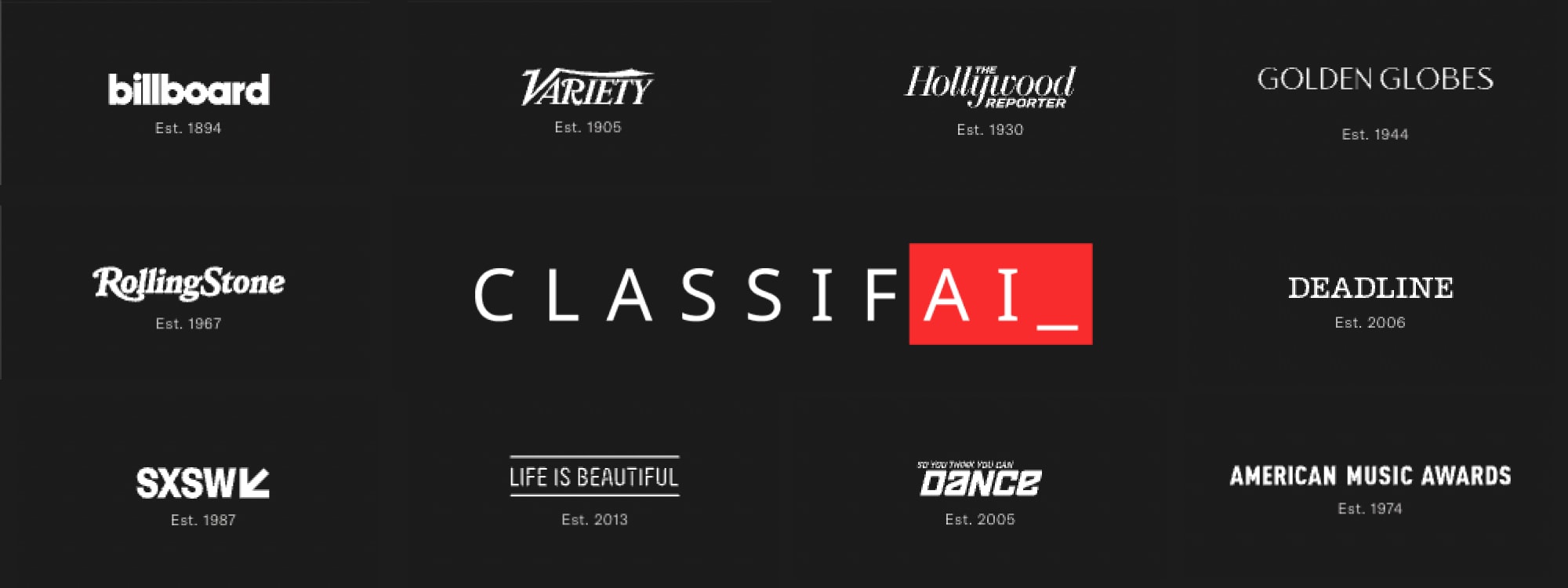
When Penske Media Corporation (PMC), the publisher behind iconic brands like Rolling Stone, Variety, and Billboard, wanted to incorporate generative AI into their stack in 2023, they came to us seeking a close knit collaboration that would use our existing open source AI toolkit for WordPress, ClassifAI, as the starting point. Working hand-in-hand, we iteratively and rapidly tested, integrated, and deployed AI features with a focus on improving editorial workflow productivity, improving visitor engagement, and driving SEO.

ClassifAI and its existing architecture gave us a huge head start. A project that started with Machine Learning applications in 2018, it already had AI-powered capabilities like smart content tagging, SEO-optimized title recommendations, image generation and automatic image descriptions. ClassifAI’s service-agnostic architecture gave PMC the ability to immediately integrate their existing and trusted cloud services provider, Microsoft, using Azure’s OpenAI service.
Read More on Bringing AI to the Publisher Behind Rolling Stone and Variety

Fueled+10up Leads the Way in the Making of WordPress 6.8

Earlier this week, WordPress 6.8 was released, with a major focus on refinement and polish, including iterative improvements to block editing, website performance, and accessibility.

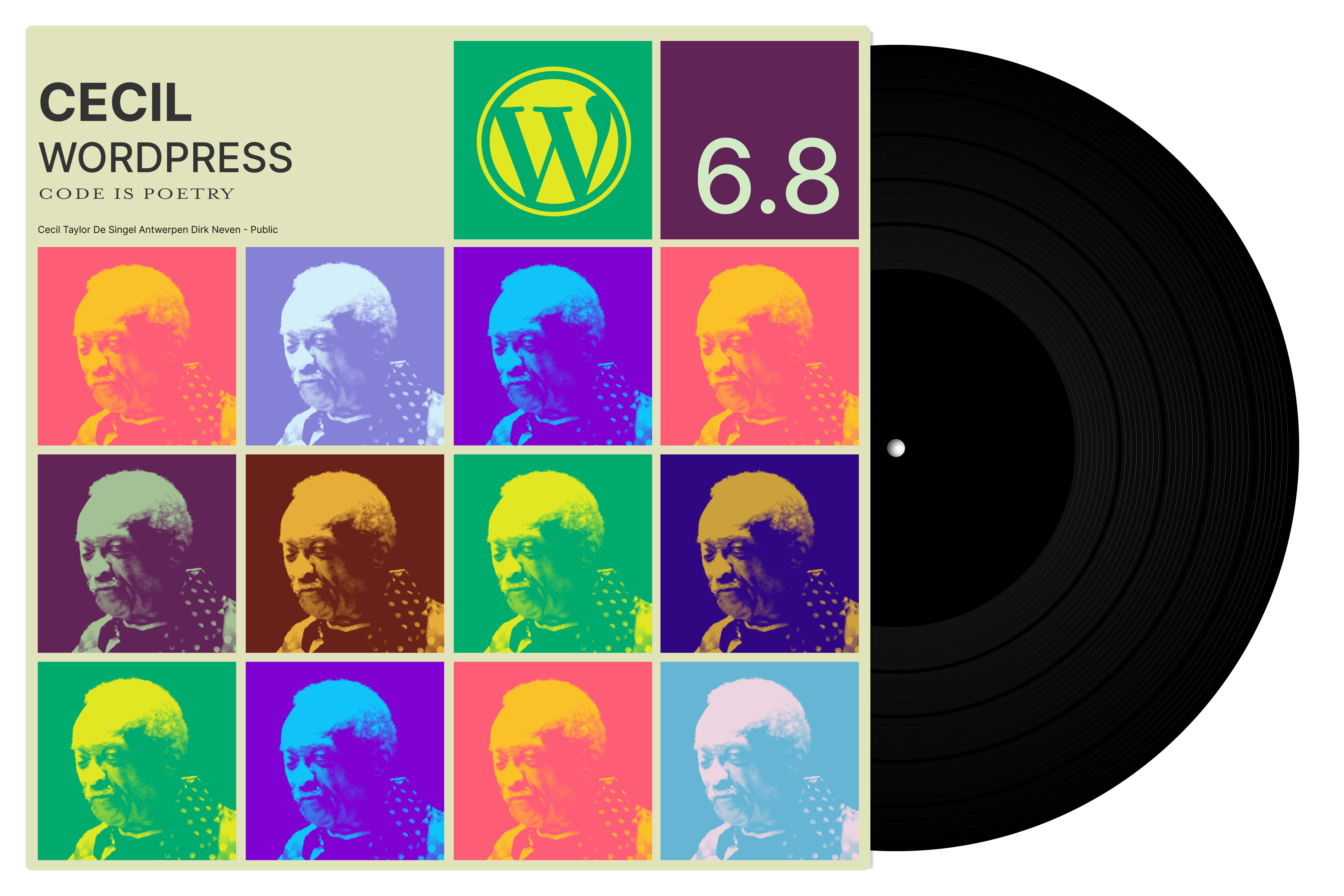
Once again, our team led the way in contributing to one of the internet’s largest open source projects, estimated to power 40% of websites. Twenty-four 10uppers contributed to WordPress 6.8 “Cecil”, with Jeff Paul as Release Coordinator, Joe McGill as Tech Lead, and Fabian Kaegy, Peter Wilson, and Mukesh Panchal as Noteworthy Contributors.

Other Fueled+10up contributors included Ajay Maurya, Ankit Gade, Ankit Gupta, Darin Kotter, Dharmesh Patel, Faisal Alvi, Harshal Kadu, Karthik Thayyil, Konstantinos Galanakis, Mohit Dadhich, Navneet Kaur, Rahul Prajapati, Severine Pozzo, Siddharth Thevaril, Sourabh Jain, Sumit Bagthariya, Thrijith Thankachan, Tyler Bailey, and Vikram Moparthy. We’d also like to recognize our partners at Google and Elementor for sponsoring some of our contributions during parts of this release cycle.

Read More on Fueled+10up Leads the Way in the Making of WordPress 6.8

Microsoft Research and Harvard School of Public Health Recognized in the 2025 Webby Awards

It’s web awards season, and once again, we’re thrilled to share 10up projects and clients recognized in the 29th Annual Webby Awards: Microsoft Research and Harvard’s T.H. Chan School of Public Health. The Webby Awards honor excellence on the Internet, celebrating the most innovative and impactful websites, apps, and digital experiences.

Microsoft Research is an Honoree in the Websites and Mobile Sites – Business Blog/Website category. We’ve worked with Microsoft Research for a decade, most recently redesigning and building this Webby-recognized site and co-creating generative AI-powered experiences. Our most recent AI experience built in partnership with Microsoft’s team, enables researchers to rapidly identify papers and projects of interest and helps build meaningful relationships across research teams. We also provide enterprise-grade infrastructure support and optimization on Azure for these sites.

Harvard’s T.H. Chan School of Public Health has also been nominated for a Webby Award for Websites and Mobile Sites – School/University. We partnered with longtime collaborator Wide Eye, who expertly harnessed their creative agency’s focus on public sector and political work to lead design and content strategy, while our team spearheaded engineering and delivery, including in-browser refinement.

Shortly after this post was published, Harvard’s T.H. Chan School of Public Health won the People’s Voice Award for Websites and Mobile Sites – School/University. Congratulations to the entire Harvard T.H. Chan School of Public Health website team.
Read More on Microsoft Research and Harvard School of Public Health Recognized in the 2025 Webby Awards

How We’re Bringing Generative AI to WordPress, Without External Cloud APIs

Following our post covering the latest innovations with ClassifAI—our AI-powered WordPress plugin—I’ve published an article on LinkedIn exploring how self-hosted AI models can open up new possibilities for WordPress-powered websites.

Here’s an excerpt from the full article:

I realized that integrating Ollama into our AI plugin ClassifAI could unlock something special: bringing the power of generative AI to WordPress on our terms. No cloud fees, no data leaving the site – just WordPress and AI working together in a more private, flexible way.

If you’re interested in how we built this integration, and what this could suggest about the future of AI for open source platforms like WordPress, you can read the full article on LinkedIn.

Preparing for EAA: Streamline Compliance with PDF Accessibility Checker by Fueled+10up

PDF and Accessibility logos

The European Accessibility Act (EAA), set to take effect on June 28, 2025, is a significant step toward digital inclusivity, requiring websites and digital documents—including PDFs—to meet strict accessibility standards. However, auditing PDFs for compliance at scale is no small feat, especially for enterprises and other organizations managing hundreds or thousands of files across multiple domains.

To help our clients address this challenge, we developed the PDF Accessibility Checker—a handful of scripts that integrate with the WordPress command line interface (CLI), Adobe’s PDF Accessibility Checker API, and Google Sheets to automate PDF accessibility audits. I’m pleased to share that we’ve now open sourced this tool.

Read More on Preparing for EAA: Streamline Compliance with PDF Accessibility Checker by Fueled+10up

Building Monitor: The Tech Behind Our Website Health Monitoring Tool

Following up on my post introducing Monitor, I’ve published an article on LinkedIn that digs into some of the bigger technical and data management decisions our team made while architecting the site monitoring platform we built to reliably and efficiently monitor our clients’ websites.

Here’s the opening from the full article:

Building Monitor, our website health monitoring tool, was a fulfilling challenge that required thoughtful engineering choices under real-world constraints. As technical leaders in enterprise caliber CMS and product development, we know that picking the proper CMS backbone, UI framework, and data strategy can make or break a project. In the case of Monitor – a platform watching hundreds of websites – we had to carefully balance scalability, flexibility, and performance at every layer.

I wanted to share how and why we chose our tech stack, including Payload CMS as the backend, Google’s Material UI for the front-end, and share a little about our data polling and management approach, which keeps Monitor timely and efficient.

If you’re interested in how and why we chose the architecture and platforms behind Monitor—or just love a good technical deep dive—you can read the full article on LinkedIn.