Blog

Fueled Team Members Heading to WordCamp US 2026

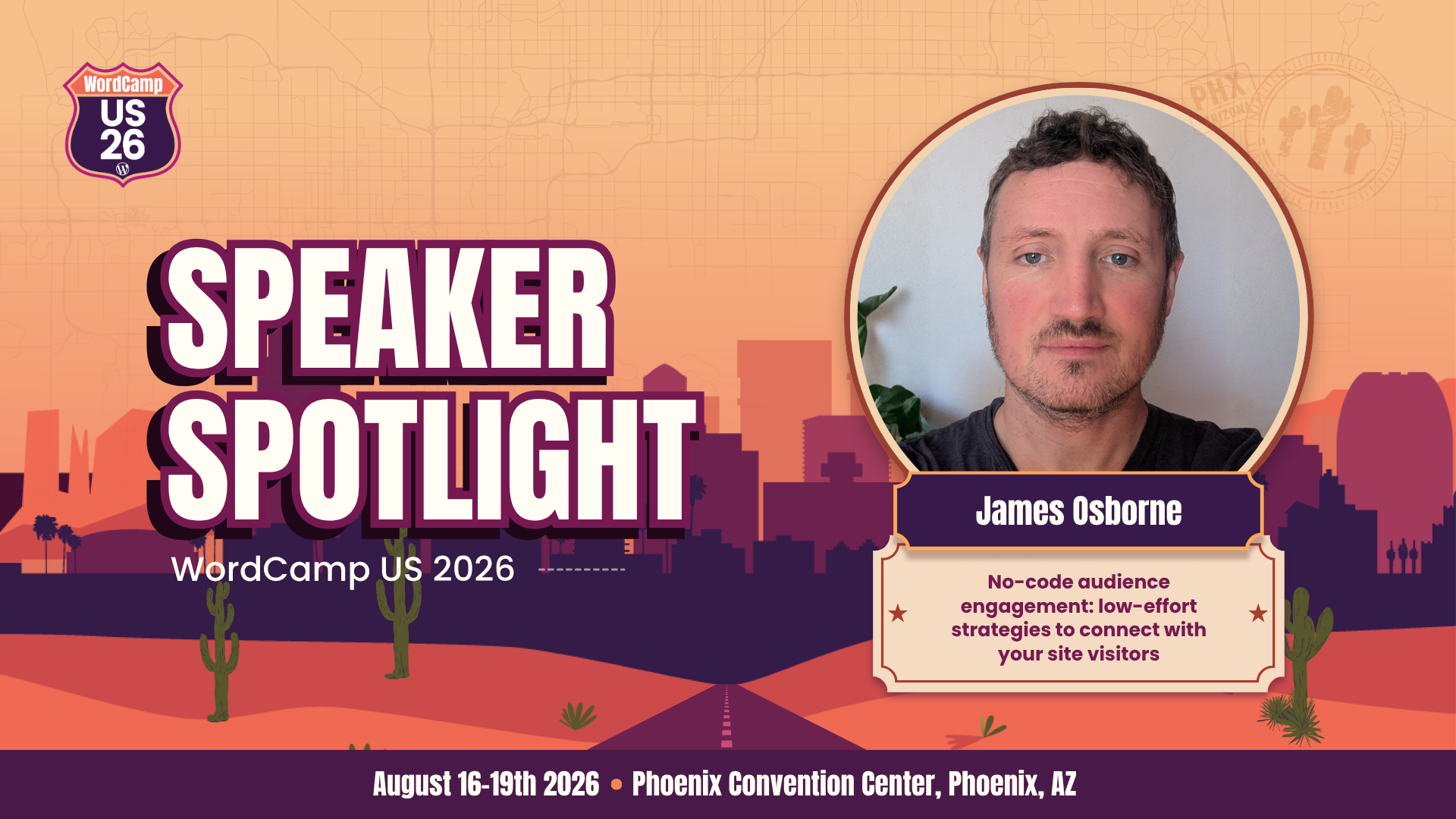
A graphic for WCUS, showing James Osborne's headshot for a "Speaker Spotlight".

Fueled team members are heading to Phoenix for WordCamp US next week, and we’re looking forward to spending a few days with the WordPress community.

We’re especially excited to see our own James Osborne take the stage. James works on Google Site Kit, one of our favorite client projects and top 10 most installed WordPress plugins. He will share practical, no-code strategies that help content creators better understand and engage website audiences.

Fueled team members joining James in Phoenix include myself; CEO Justin Livesay; Phil Crumm, our Managing Partner leading Fueled’s CMS and WordPress work; Brian Bourn; Joe McGill; Lily Byard; Taylor Waldon; and Evan Mattson.

If you’re attending WordCamp US, we’d love to meet up. And don’t miss James’ session on Tuesday at 11:30 a.m.

Inside the Official WordPress Browser Extension, Led by Fueled Partner Jake Goldman

A screenshot of the WordPress Browser Extension, showing multiple capabilities.

The official WordPress Browser Extension is now available for Google Chrome and Chromium-based browsers and for Safari on macOS, giving WordPress users a cleaner way to browse, manage, and test their websites.

The extension was created by Jake Goldman, Founder of 10up and now a Partner and advisor under our new brand, Fueled. What began as a personal side project to solve a long-standing frustration grew through contributions from the WordPress community, including members of the Fueled team, before becoming an official WordPress project.

Read the full story on the Fueled blog, where Jake shares the inspiration behind the extension, how AI-native development helped bring it to life, and what’s next for the project.

Fifteen Fueled Team Members Contribute to WordPress 6.9

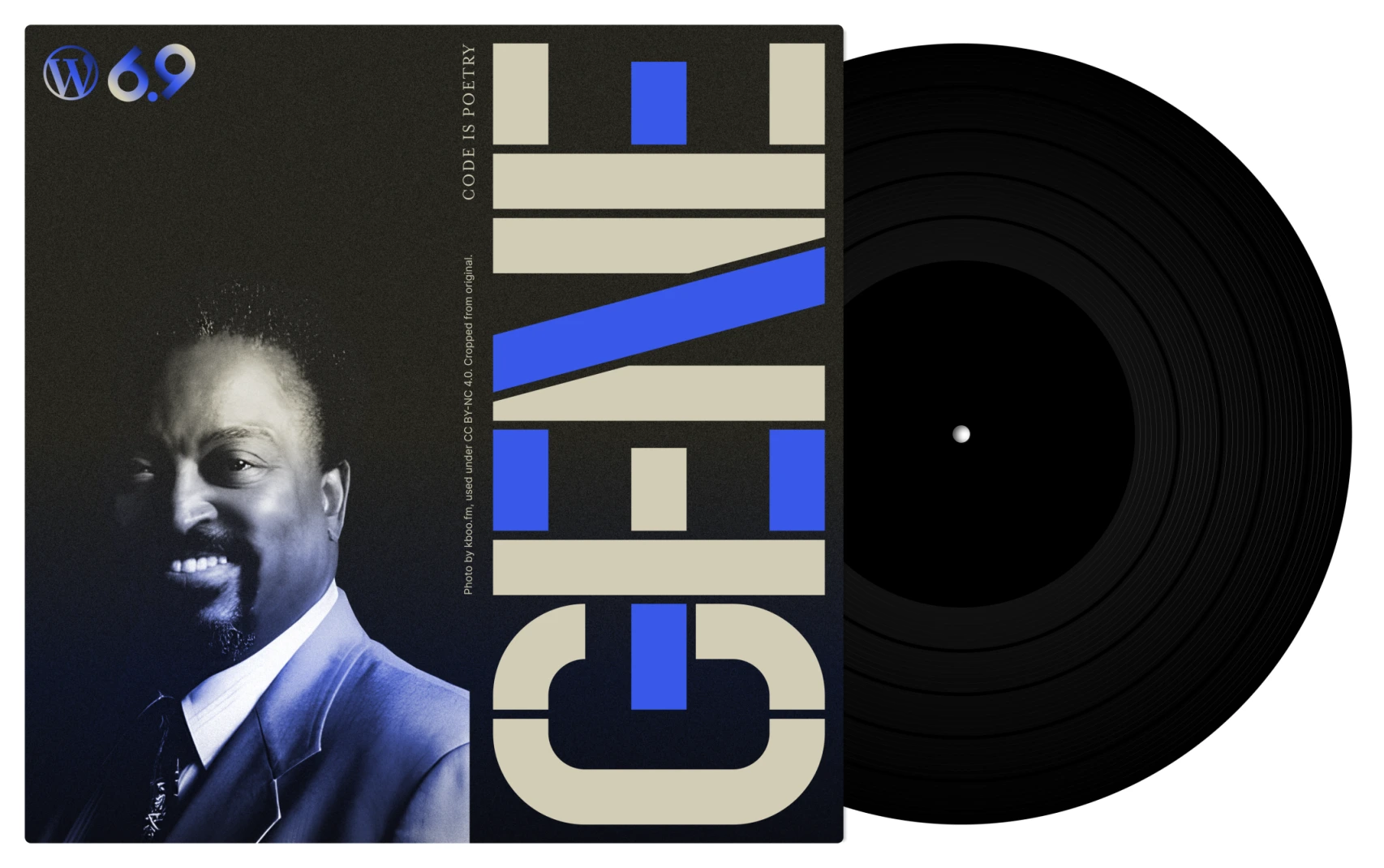
A record with Gene on the cover, signifying WordPress 6.9's namesake.

WordPress 6.9 is here, and with it come features that set the stage for the future of content collaboration and AI-assisted workflows inside the world’s most popular CMS.

We’re proud to share that 15 Fueled team members are credited with contributions to the 6.9 release, with 4 recognized as Noteworthy Contributors: myself (VP of Open Source Initiatives), Director of Editorial Engineering Fabian Kaegy, Lead Engineer Peter Wilson, and Senior Engineer Mukesh Panchal. Our 10up WordPress Practice continues to shape the features that matter most to modern content teams and organizations.

A Focus on Collaboration Begins: “Notes”

The most impactful new user-facing feature in WordPress 6.9, especially for teams collaborating on content operations, is Notes: a commenting system for the WordPress editor. Fueled led the project management and contributed to the engineering work on this feature.

Notes brings native, in-context communication to the content editing experience. Editors and stakeholders can now leave comments directly within the editor, enabling asynchronous feedback and approvals without leaving the CMS or relying on disconnected tools.

Read the full blog post on the Fueled blog. 10up is now the WordPress Practice of Fueled.

WordPress Site Maintenance, Enhanced By AI Powered Visual Regression QA

Keeping a website healthy isn’t as simple as pressing “update.” A small plugin tweak or theme change can break a layout, hide a button, or cause other subtle damage to the user experience. For the teams that trust us to maintain their sites, those risks are unacceptable.

Our SiteWatch program delivers proactive, premium maintenance for WordPress-powered sites. Every update passes through version control, peer review, and structured QA. This process ensures reliability at scale. And now, we’ve added a new tool to make that process even smarter: an AI-powered Visual Regression Testing (VRT) platform that knows when something looks different but isn’t actually broken.

An example VRT result shows before and after screenshots, and a heat map where changes occurred.

Read the full blog post on the Fueled blog. 10up is now the WordPress Practice of Fueled.

From the Fueled Blog: Contributing Over 140 Accessibility Improvements to WooCommerce Core

An accessibility symbol glows in hues of purple and pink in a dark web browser.

As part of a larger effort to improve the accessibility of WooCommerce, the flagship open source eCommerce solution for WordPress, Fueled helped deliver over 140 accessibility improvements, impacting the 7 million+ websites that WooCommerce powers. This achievement comes after a year-long initiative in partnership with WooCommerce and Equalize Digital, bringing WooCommerce Core into compliance ahead of new regulations like the European Accessibility Act (EAA). The result is a more inclusive shopping experience and a WooCommerce Core that meets modern accessibility standards.

Ahead of the EAA deadline in June 2025, WooCommerce engaged us to spearhead the remediation of a WCAG 2.2 compliance audit, working hand-in-hand with WooCommerce’s core development team to implement fixes across virtually every part of the plugin. Over a year, contributions from WooCommerce, Equalize Digital, and Fueled’s WordPress specialists were coordinated to methodically resolve issues in both the classic and block-based interfaces.

To learn more about the key improvements we made to WooCommerce accessibility, read the full post at the Fueled blog.

Fueled Heads to WordCamp US 2025 in Portland

Animated WordCamp US Logo banner.

Fueled is heading to Portland, Oregon for WordCamp US (WCUS) 2025, taking place August 26–29. WCUS is the premier WordPress conference in the United States, drawing thousands of developers, designers, and digital leaders each year.

We’re returning to WordCamp US as a Contributing Sponsor, marking our first sponsorship of a major WordCamp in years and our very first WordPress event sponsorship under our newly unified and refreshed brand, Fueled. Our support celebrates our evolution as an agency and underscores our deep commitment to WordPress and open source. 10up has long been the professional services (agency) leader in the WordPress space, and carries on that legacy as part of Fueled, augmented by industry leading mobile app development and product strategy and design capabilities. We’re bringing more to the table for the WordPress community and our clients.

Read the full post at the Fueled blog.

WP Framework: A Better Starting Point for WordPress Site Builds

The GitHub page for WP Framework

At Fueled, our wp-scaffold framework has long helped to jumpstart new WordPress projects by automating boilerplate setup, enforcing foundational engineering best practices, and keeping structure consistent across teams. As our codebases grew, we realized that sharing lower level updates and improvements across projects could be easier.

To solve this, we introduced a new Composer package called WP Framework at the start of the year, which we have subsequently open sourced. By moving the common scaffold logic into WP Framework, our project starter becomes leaner and more maintainable, while every project still benefits from shared upgrades over time.

Read More on WP Framework: A Better Starting Point for WordPress Site Builds

From the Fueled Blog: How We Sped Up WordPress and the Open Web

WordPress powers over 40% of websites. When its core gets faster, the larger internet benefits. That’s the ambition behind the WordPress Performance Team: a cross-company initiative focused on improving speed, efficiency, and thus user experience across all WordPress sites.

At Fueled, our 10up WordPress Practice has been part of this effort from the start, helping institute improvements that are now baked into WordPress core. From how scripts and images are handled to how WordPress loads configuration data, our work has made the platform faster out of the box, and made millions of websites deliver better digital experiences.

Read the full blog post on the Fueled blog, or skip ahead to my more technical deep dive into the changes on LinkedIn.

Behind the WordPress Block: Fueled.com’s Animated 3D Objects

One of the more ambitious design goals behind the new Fueled.com involved bringing to life animated 3D objects in the browser—without relying on WebGL or heavy, real-time rendering.

The solution was a custom animation system that simulates 3D using optimized image sequences, built leveraging WebP image formats, Motion.js, and Intersection Observer techniques. The final product offers smooth, high-quality animation that works reliably across devices and browsers.

Packaged within a custom Gutenberg block, editors can easily select from multiple 3D objects, customize styles with blend modes, and see a preview directly inside the WordPress editor.

I’ve published a deep dive article breaking down the path to the final product—from early experiments with videos and sprite sheets to lightweight image sequences and smart rendering logic to our approach to the custom WordPress editor block.

Read the full article on LinkedIn, and get in touch if you’d like help creating this kind of experience for your own digital properties.

How We Evaluated Modern Front-End Frameworks for a High-Traffic Publishing Platform

When our partners at Minute Media set out to modernize the front end behind their publishing platform—powering brands like Sports Illustrated and SI Swimsuit—their goals were clear: improve performance, streamline developer experience, and make the stack easier to evolve over time.

Their internal team had been working with React, but was hitting performance ceilings—especially when it came to JavaScript execution and time to interactive. While React and Next.js remained options, they were open to exploring newer frameworks that might better support their long-term goals.

Read More on How We Evaluated Modern Front-End Frameworks for a High-Traffic Publishing Platform